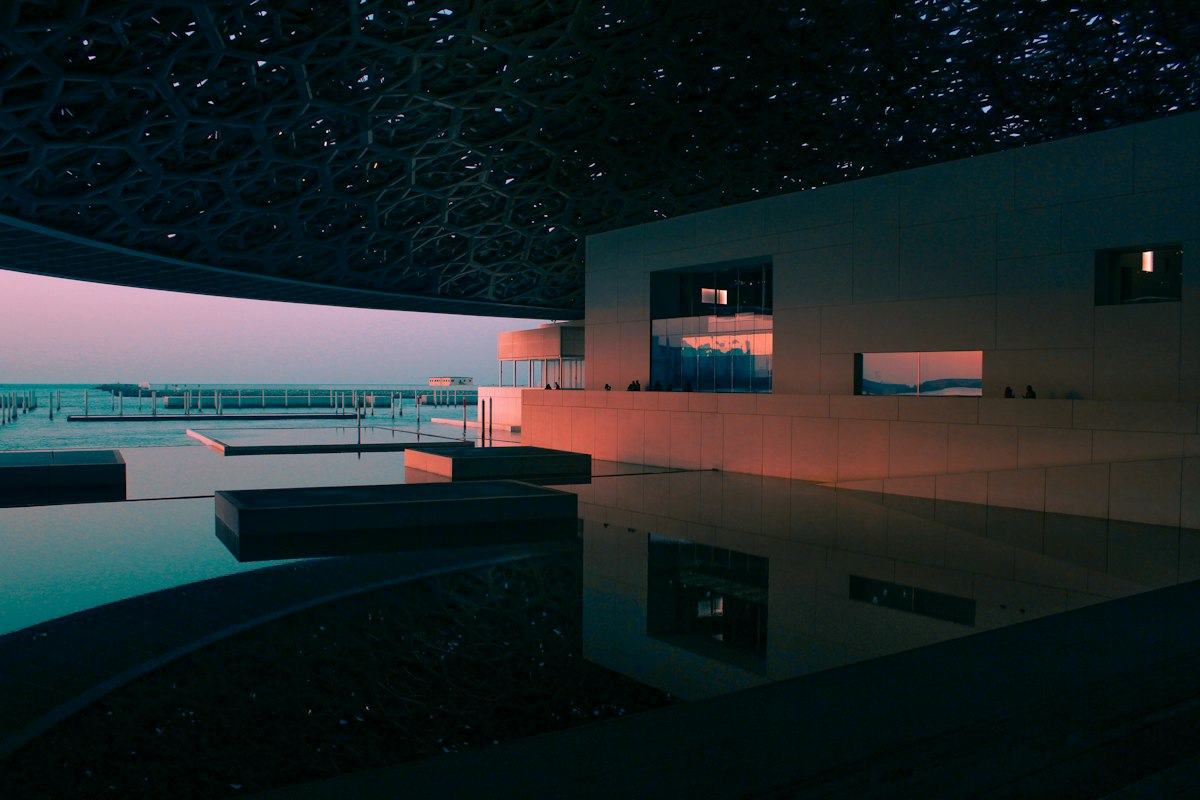
The Real Price of High-End Living: Luxury Homes Cost Variables
When you start looking at the upper echelons of the real estate market, the conversation shifts from simple square footage to the nuances of craftsmanship, location exclusivity, and architectural significance. Most people see a price tag on a sprawling estate and assume that is the sum total of the investment. In reality, the sticker price is just the first layer of a complex financial commitment that defines the high-end residential experience.
Understanding luxury homes cost requires a shift in perspective. You are no longer paying for a roof over your head; you are paying for rarity, privacy, and an uncompromising level of detail. Whether you are planning a ground-up build or purchasing a turnkey manor, the variables involved—from land acquisition and permit fees to the cost of imported materials—can fluctuate wildly based on the current economic climate and regional demand.
Related posts
Buying a Condominium for Sale
Finding a condominium for sale often feels like the ideal balance between homeownership and manageable maintenance. You gain...
Read more →
Furnished Apartments for Sale: Buying Apartments Without Costly Mistakes
Buying a home often involves weeks of measuring floor plans, ordering sofas, and coordinating freight deliveries. When you...
Read more →
Purchasing a Villa for Sale
Finding a villa for sale often represents the culmination of years of hard work and a desire for...
Read more →
Buying Apartments for Sale: Financial Due Diligence and Evaluation Strategies
Searching through listings for apartments for sale can feel overwhelming within minutes. High-gloss photos, professional home staging, and...
Read more →This exploration breaks down the actual expenses associated with owning or building a high-end property. We will look beyond the initial purchase price to examine the soft costs, the premium for specialized labor, and the ongoing operational expenses that keep a trophy home functioning at its peak. If you are preparing to enter this market, knowing these figures upfront is the difference between a sound investment and a financial drain.
By the time you reach the end of this analysis, you will have a clear picture of how luxury real estate is priced and why certain properties command such a significant premium. We will cover the regional differences that dictate entry-level luxury prices, the specific materials that drive up construction budgets, and the hidden fees that often catch first-time luxury buyers off guard.
Key takeaways
- Location dictates the baseline: Luxury entry points vary significantly, with coastal or metropolitan hubs requiring a much higher initial investment than suburban or rural markets.
- Construction costs are specialized: High-end builds often cost three to five times more per square foot than standard residential homes due to custom finishes and complex engineering.
- Soft costs add up: Architect fees, interior design consultations, and specialized landscaping can represent 15% to 25% of the total project budget.
- Maintenance is a permanent line item: Expect to spend 1% to 2% of the home's value annually on upkeep, staffing, and high-tech systems management.
Defining the Entry Point for Luxury Real Estate
What qualifies as a luxury home? The answer depends entirely on where you are looking. In a mid-sized Midwestern city, a $1.5 million property might be the crown jewel of the neighborhood, featuring a pool, five bedrooms, and high-end appliances. However, in Manhattan, San Francisco, or London, that same $1.5 million might only secure a one-bedroom apartment with a decent view. This regional disparity is the first hurdle in calculating luxury homes cost.
Generally, the luxury market is defined as the top 10% of properties in a specific area. In premier global markets, the "ultra-luxury" segment typically starts at $10 million and can reach into the hundreds of millions. When evaluating cost, you must first establish the local benchmark. This benchmark tells you what the land itself is worth before a single brick is laid. In high-demand zones, the dirt alone can account for more than 50% of the total property value.
Furthermore, luxury is often defined by exclusivity. A home that shares a floor plan with three others on the same street is rarely considered truly high-end, regardless of the price. The cost of luxury is, in many ways, the cost of uniqueness. You are paying for the fact that no one else has exactly what you have, which necessitates custom design and bespoke solutions at every turn.
The Impact of Location and Privacy on Pricing
In the world of high-end real estate, privacy is a premium commodity. A property that is shielded from public view by natural topography or advanced security gates will always command a higher price than a similarly sized home on a standard street. This search for seclusion often leads buyers to larger lots, which naturally increases the acquisition cost and the subsequent landscaping and security expenses.
Waterfront views, proximity to prestigious golf courses, or a location within a historical district also inflate the price. These geographical features do not just add to the aesthetic value; they create a floor for the property's worth. Even if the house itself becomes dated, the land remains a scarce resource. This is why investors often look for "tear-downs" in elite neighborhoods—they are essentially buying the location and the right to build something that matches the neighborhood's prestige.
Infrastructure also plays a role in the cost of the land. If you are building a luxury estate in a remote area for maximum privacy, the cost of bringing in utilities, high-speed fiber optics, and paved access roads can be astronomical. These are the types of hidden expenses that many buyers overlook when they see a beautiful, isolated plot of land for sale.
Construction Costs: Materials and Craftsmanship
When you move from a standard build to a luxury build, the cost per square foot does not just increase—it often leaps. A standard home might cost $150 to $250 per square foot to build. In contrast, a luxury home frequently starts at $500 per square foot and can easily exceed $1,500 per square foot for ultra-high-end specifications. Why the massive gap?
The difference lies in the materials. A luxury kitchen might feature book-matched Calacatta marble imported from Italy, where the veins of the stone align perfectly across the island and backsplash. The flooring might be reclaimed wide-plank oak from a 19th-century barn or hand-laid herringbone patterns. These materials are not only expensive to purchase but require highly skilled artisans to install. You aren't hiring a general laborer; you are hiring a specialist.
Beyond the surfaces, the structural components of luxury homes are often more robust. Think of reinforced steel frames that allow for massive, floor-to-ceiling glass walls that disappear into the floor at the touch of a button. These engineering feats require specialized contractors and heavy machinery, all of which add layers of expense to the construction budget. Every custom window, oversized door, and integrated smart system adds to the bottom line.
Architectural and Design Fees
A luxury home is a work of art, and the artist's fee is significant. Working with a renowned architectural firm is a hallmark of the luxury market. These firms do not work on a flat fee; they typically charge a percentage of the total construction cost, often ranging from 10% to 15%. For a $5 million build, you are looking at $500,000 or more just for the blueprints and project oversight.
Interior design is another major cost center. In the luxury space, interior designers do more than pick out furniture. They specify every finish, design custom cabinetry, and coordinate the lighting plan to highlight art collections. Like architects, high-end designers often charge a combination of hourly rates and a percentage of the furniture and materials purchased. It is not uncommon for the interior design budget of a luxury home to rival the cost of a mid-range suburban house.
Then there are the consultants. You might need a lighting designer to ensure the ambiance is perfect, an acoustical engineer for the home theater, and a landscape architect to create an outdoor oasis that feels like a private resort. Each of these professionals brings a level of expertise that ensures the home functions perfectly, but their involvement increases the total luxury homes cost significantly.
Smart Home Technology and Modern Amenities
Modern luxury is increasingly defined by technology. This goes far beyond a smart thermostat. A fully integrated luxury home features centralized systems that control lighting, climate, security, audio-visual entertainment, and even window treatments from a single interface. These systems require miles of low-voltage wiring and a dedicated climate-controlled server room.
The cost of these systems can range from $50,000 to over $500,000 depending on the complexity. You are also paying for the programming and the hardware. In many cases, these systems require ongoing service contracts to ensure they stay updated and functional. If a component fails in a standard home, it's an inconvenience; if the centralized control system fails in a luxury home, you might not even be able to turn on the lights.
Amenities also drive up the price. We are seeing a rise in "wellness" rooms, including infrared saunas, cold plunge pools, and specialized air filtration systems. Home theaters, wine cellars with independent climate zones, and indoor-outdoor kitchens are now considered standard in many luxury markets. Each of these features requires specialized plumbing, electrical work, and ventilation, adding to both the initial build cost and the long-term energy bill.
The Hidden Costs of Ownership
Once the keys are handed over, the expenses do not stop. In fact, for many owners, the ongoing costs of a luxury home are the most surprising aspect. Property taxes are the most obvious. In high-tax states or jurisdictions, the annual tax bill for a luxury estate can be the equivalent of a professional salary. It is essential to research the local tax rate and how the property will be reassessed after a sale or major renovation.
Insurance is another major factor. Standard homeowners insurance policies often have limits that are far too low for high-end properties. You will likely need a specialized policy from a carrier that understands the replacement value of unique architectural features and high-value contents. If the home is in a high-risk area, such as a coastal zone or a wildfire-prone canyon, insurance premiums can be tens of thousands of dollars per year.
Finally, there is the cost of staffing. A large estate requires constant attention. This might include a full-time house manager, a landscaping crew, a pool service, and a specialized cleaning team. Even if you don't have live-in staff, the sheer scale of the property means you will be spending significantly more on routine maintenance than the average homeowner. Neglecting this maintenance is not an option, as the resale value of a luxury home is directly tied to its pristine condition.
Investment Potential vs. Personal Enjoyment
Is a luxury home a good investment? The answer is nuanced. While high-end real estate has historically appreciated well in prime locations, the market is also more volatile. During economic downturns, the pool of buyers for an $8 million home shrinks much faster than the pool for a $400,000 home. This can lead to longer days on the market and the need for significant price cuts if a quick sale is required.
Many buyers view luxury homes as a "lifestyle asset" rather than a purely financial one. They are paying for the enjoyment of the space, the security of the neighborhood, and the status the property confers. However, from a CRO perspective, it is important to consider the exit strategy. Features that are too idiosyncratic—like a professional-grade bowling alley or a highly specific themed room—can actually make the home harder to sell later. The most successful luxury investments tend to be those that balance unique character with broad appeal among high-net-worth individuals.
FAQ
What is the average cost per square foot for a luxury home?
While standard homes often fall between $150 and $250 per square foot, luxury homes typically start at $500 per square foot. In ultra-premium markets like Aspen, Beverly Hills, or the Hamptons, construction costs can easily reach $1,500 to $2,000 per square foot due to the demand for elite labor and rare materials.
Is it cheaper to buy an existing luxury home or build a new one?
Generally, buying an existing home is more cost-effective and certainly faster. When you build new, you are subject to the current (and often inflated) costs of materials and labor, as well as the risk of construction delays. However, building new allows for total customization and ensures that all systems are modern and under warranty, which can save money on maintenance in the early years.
How much should I budget for luxury home maintenance?
A safe rule of thumb is to budget 1% to 2% of the home's total value for annual maintenance. For a $5 million home, this means setting aside $50,000 to $100,000 per year. This covers everything from HVAC servicing and pool chemicals to landscaping and minor repairs that prevent long-term degradation.
Do luxury homes have higher closing costs?
Yes, because many closing costs are calculated as a percentage of the purchase price. Additionally, some luxury markets have "mansion taxes"—additional transfer taxes specifically targeted at high-value properties. You may also face higher fees for specialized inspections, such as those for large-scale irrigation systems, elevators, or complex security setups.
What are the most expensive rooms to build in a luxury house?
The kitchen and the primary bathroom remain the most expensive areas due to the high concentration of cabinetry, stone surfaces, and premium appliances or fixtures. However, specialized areas like a climate-controlled wine cellar, a professional home cinema, or an indoor spa can often surpass the cost of standard living areas on a per-square-foot basis.
Conclusion
Calculating the true luxury homes cost requires looking far beyond the initial purchase price or the base construction estimate. It is an investment in a lifestyle that demands a high level of ongoing financial attention. From the premium paid for a secluded lot to the specialized artisans required for custom finishes, every element of a high-end property reflects a higher standard of living—and a corresponding price tag. By accounting for soft costs, taxes, insurance, and maintenance early in the process, you can ensure that your move into the luxury market is both a personal triumph and a sound strategic decision. Real estate at this level is as much about the experience as it is about the asset, and being fully informed about the costs is the first step toward enjoying that experience to its fullest.